


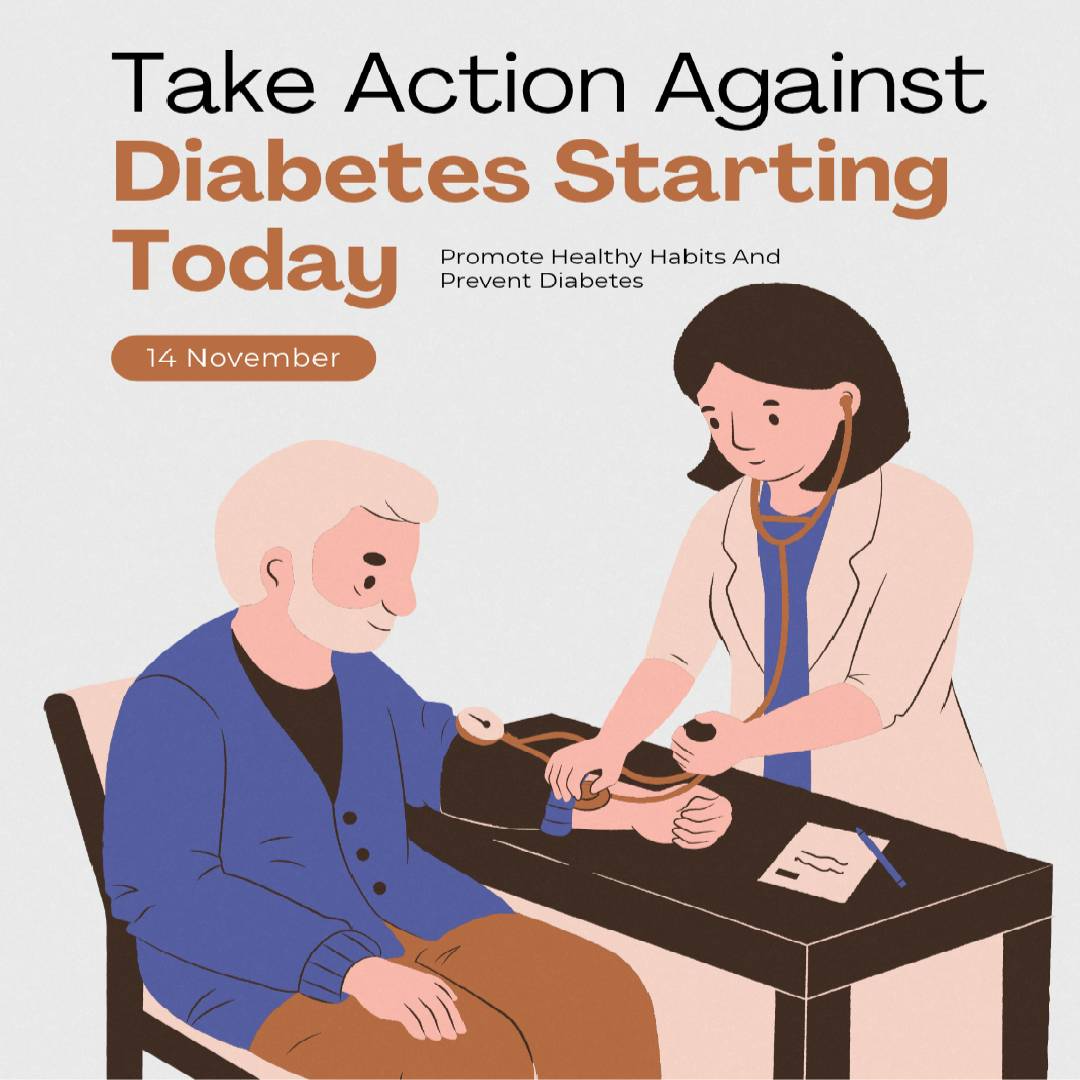
The Nigeria Union of Journalists, NUJ, Lagos State Council, has urged journalists across the state to prioritise their health through regular medical check-ups, early detection and preventive measures against diabetes.
The council gave the advice on Saturday, November 14, 2026, as the world commemorates World Diabetes Day 2026, with a call on media professionals to pay greater attention to their physical and mental well-being despite the demanding nature of their profession.
In a statement jointly signed by its Chairman, Adewale Akodu, and Secretary, Olayide Awosanya, the council said this year’s theme, “Early Action on Diabetes,” highlights the importance of early detection, timely medical intervention and access to appropriate healthcare in reducing the burden of the disease.
The NUJ Lagos Council noted that diabetes could remain undetected for a long time, potentially resulting in life-threatening complications when left unmanaged.
It identified tight deadlines, irregular working hours, prolonged sitting, work-related stress and unhealthy eating habits as some of the occupational challenges that could expose journalists to health problems.
According to the council, the pressure associated with gathering and reporting news should not make journalists neglect their health or postpone necessary medical examinations.
It therefore encouraged media professionals to undergo regular blood sugar screening, maintain healthy eating habits, engage in physical activities, get adequate rest and manage stress.
The council also advised journalists to seek professional medical attention whenever necessary, stressing that early diagnosis and proper management could help prevent serious diabetes-related complications.
Among the health complications identified were heart disease, kidney failure and vision impairment, which could significantly affect the quality of life of people living with diabetes.
Emphasising the importance of personal health, the NUJ Lagos Council described journalists’ well-being as their greatest professional asset, noting that their responsibility to inform the public and hold those in authority accountable should not come at the expense of their health.
“While the responsibility of informing, educating and holding society accountable is important, journalists must also recognise that they cannot effectively discharge these responsibilities when their health is neglected,” the statement said.
The council further stressed that no professional assignment, breaking news story, workplace commitment or career achievement was worth sacrificing one’s health.
Beyond individual responsibility, the NUJ urged media organisations and employers to promote workplace health awareness, encourage periodic medical examinations and create working environments that allow journalists to take care of their health without compromising their professional duties.
As part of activities marking World Diabetes Day 2026, the council called on journalists to take personal responsibility for their well-being and recognise that diabetes could affect anyone, regardless of profession.
It maintained that early action, regular screening and appropriate medical care could make a life-saving difference.
The council concluded by reminding journalists that while reporting the news, educating society and defending the public interest remain essential responsibilities, taking care of their health must also be a priority.
