

Introduction to Insecurity in Nigeria
Insecurity in Nigeria has long shaped public discourse and national anxiety from insurgency in the North-East to cybercrime, banditry, and kidnapping across the country. For years, these challenges have undermined growth, fractured communities, and shaken citizens’ trust in institutions.
Yet, the tide is beginning to turn. In 2025, the National Orientation Agency (NOA), led by Mallam Lanre Issa-Onilu, began a groundbreaking communication campaign that reached over 32 million Nigerians in just three months, bridging the gap between the people and the state.
This shift highlights a vital truth: when citizens and government communicate openly, insecurity weakens, and national trust strengthens. Understanding the cause of insecurity and how Nigeria’s renewed focus on trust and transparency addresses it offers a roadmap toward lasting peace.
Understanding Nigeria and Insecurity
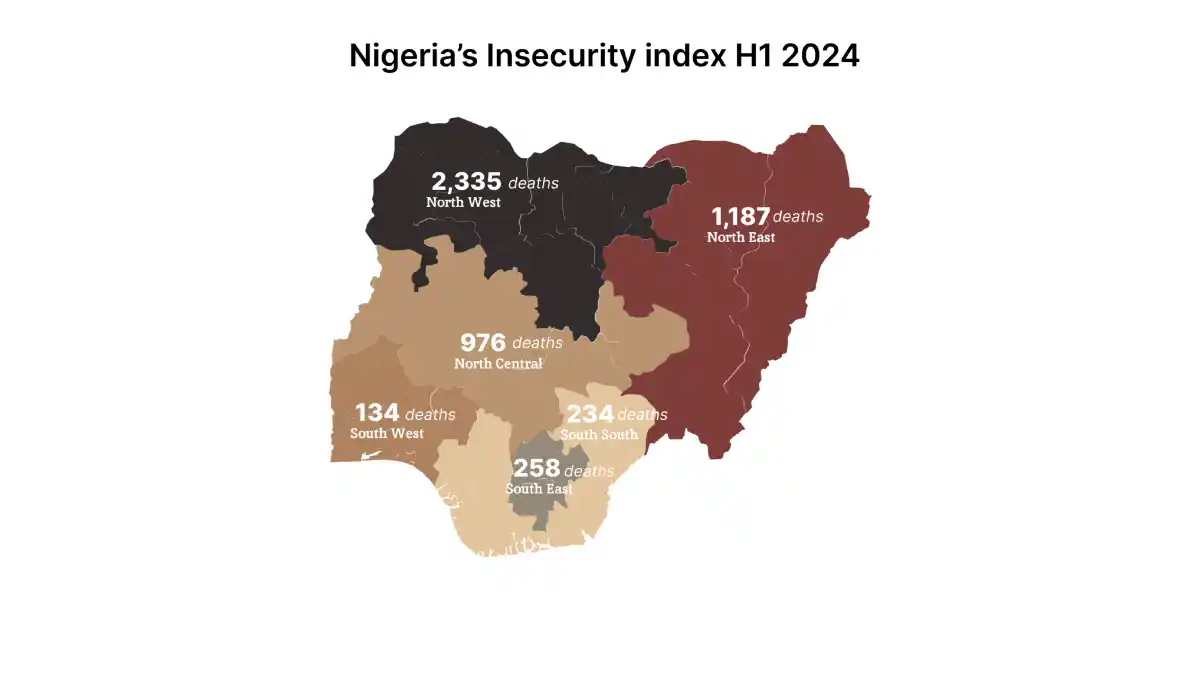
Nigeria and insecurity have been uneasy companions for decades. From Boko Haram insurgency in the North-East to militant activities in the Niger Delta and banditry in the North-West, insecurity remains a multidimensional threat. But the current government’s “Renewed Hope Agenda” has signalled a new era of collaboration, driven by communication and citizen engagement.
Mallam Issa-Onilu summarized this new approach succinctly:
“Trust is Nigeria’s strongest security asset. When citizens are informed and confident, criminals have no hiding place.”
By reframing the fight against insecurity as a shared national mission, rather than a purely governmental one, the NOA has empowered communities to become stakeholders in their own safety.
The Cause of Insecurity in Nigeria
The cause of insecurity in Nigeria is deeply rooted in a mix of economic, political, and social realities. Some key factors include:
- Economic hardship and unemployment, leaving millions vulnerable to recruitment by criminal groups.
- Weak law enforcement and corruption, undermining justice and deterrence.
- Ethnic and religious divisions, exploited by extremists to incite violence.
- Poor intelligence coordination, allowing crime networks to evade detection.
- Misinformation and fake news, fueling panic and mistrust among citizens.
Each of these factors feeds into a cycle where fear replaces confidence, a cycle the NOA now seeks to disrupt through verified information and citizen-centred communication.
The Role of the National Orientation Agency (NOA)
Between August and October 2025, the NOA launched the Joint Security Communication Framework, uniting 36 states and the FCT in synchronized messaging. Through over 50 radio and TV stations, public safety broadcasts reached 29 million Nigerians, while digital engagement through Facebook, X, YouTube, Instagram, and CLHEEAN AI platforms reached another three million online participants.
This outreach wasn’t just about statistics it was about transforming how Nigerians perceive their role in security. From town hall meetings to grassroots radio dramas, the message was consistent:
“Security is everybody’s business. When citizens speak up, criminals are shut down.”
This people-first model represents a strategic evolution from reactive enforcement to proactive engagement.
Security Challenges in Nigeria and Solutions
Addressing security challenges in Nigeria and solutions requires collaboration between institutions, technology, and communities. The most effective strategies include:
- Integrated communication systems that align government messaging with local realities.
- Community policing initiatives, where citizens share intelligence with local security units.
- Transparency and accountability, especially through agencies like EFCC and ICPC.
- Economic empowerment programs to curb youth unemployment.
- Education and awareness campaigns targeting misinformation and radicalization.
These solutions mirror Nigeria’s ongoing transition from reactionary responses to long-term, preventive strategies.
Combating Corruption to Enhance Security
Insecurity and corruption are interlinked. A society plagued by graft cannot build safe communities. Recognizing this, agencies like the EFCC and ICPC have intensified enforcement and recovery efforts.
- In October 2025, ICPC recovered ₦840 million and $919,000, concluded 15 investigations, and filed five new corruption cases.
- The EFCC reported ₦566.3 billion and $411.6 million in total recoveries between 2023 and 2025.
What’s remarkable is how recovered funds are now being channelled into social development, including the Students Loan Scheme and Consumer Credit Program tackling one of the root causes of insecurity: economic inequality.
As Issa-Onilu emphasized, “When citizens see transparency in action, they regain trust, and trust fuels national stability.”
The Power of Trust in National Security
Trust is now a strategic weapon in Nigeria’s fight against insecurity. When citizens trust their leaders, they share information more freely, cooperate with authorities, and reject misinformation.
At the Joint Security Press Briefing in October 2025, NOA’s leadership presented evidence that improved trust has correlated directly with improved security outcomes:
- 33% increase in major arrests (from 42 to 56 between September and October).
- 42% increase in rescued victims.
- 12% reduction in violent crime fatalities.
While numbers alone don’t tell the full story, they underscore a positive trajectory — one built on communication, transparency, and unity.
Misinformation and Its Effect on Security
Issa-Onilu’s words ring clear:
“Misinformation does not just mislead people, it endangers lives.”
Fake news often spreads faster than official reports, eroding public confidence. Recognizing this danger, NOA increased its fact-checking operations by 40% within two months, debunking rumors that could have sparked unrest or panic.
The agency’s partnership with local media houses and community influencers has made it easier for Nigerians to access verified, timely information, reducing the emotional fuel that often ignites conflict.
Insecurity in Nigeria: Data and Real Outcomes
Between August and October 2025, Nigeria’s security sector saw measurable improvements:
| Indicator | August | October | Change |
|---|---|---|---|
| Major arrests | 42 | 56 | +33% |
| Victim rescues | 19 | 27 | +42% |
| Violent crime fatalities | 210 | 185 | -12% |
| Cross-border interventions | 4 | 7 | +75% |
These results aren’t coincidences. They stem from a whole-of-government approach where agencies like NDLEA, NIS, and NAFDAC collaborate with civil society, dismantling drug syndicates, rescuing trafficking victims, and reducing road fatalities.
Future of Security in Nigeria
Nigeria’s security future looks cautiously optimistic. If the current trajectory continues, insecurity could decline significantly by 2030, thanks to better intelligence sharing, citizen vigilance, and economic inclusion.
Issa-Onilu’s closing message captures the collective spirit driving this progress:
“Through courage, communication, and collective responsibility, we are building a safer Nigeria. Together, we build trust. Together we build peace. Together we build our nation.”
FAQs About Insecurity in Nigeria
What is the major cause of insecurity in Nigeria?
Economic hardship, corruption, poor governance, and misinformation are key causes that weaken institutions and public trust.
How is the government addressing insecurity in Nigeria?
Through NOA’s national communication programs, anti-corruption campaigns, and inter-agency coordination across 36 states.
What role do citizens play in improving security?
They share intelligence, verify information, and participate in local safety initiatives.
What are the main security challenges in Nigeria and solutions?
Challenges include terrorism, banditry, cybercrime, and corruption. Solutions involve education, technology, and transparent governance.
How has NOA improved national security awareness?
By reaching over 32 million Nigerians through traditional and digital media and promoting community vigilance.
What’s the connection between insecurity and corruption?
Corruption weakens institutions, enabling crime. Transparent recovery and reinvestment of funds rebuild trust and stability.
Conclusion: Building a Safer and Stronger Nigeria
Insecurity in Nigeria is no longer just a government problem — it’s a shared responsibility. Through public communication, anti-corruption reforms, and renewed national trust, Nigeria is charting a more hopeful course.
When citizens, government, and institutions unite under a transparent and communicative system, security becomes not just a policy, but a culture.
The journey is ongoing, but the momentum is undeniable: a safer, more united Nigeria is within reach.