


The National Orientation Agency, NOA, has reaffirmed that ethical leadership, anchored on integrity, accountability and public trust, remains the foundation for sustainable national development, urging both leaders and citizens to embrace values that strengthen institutions and promote national unity.
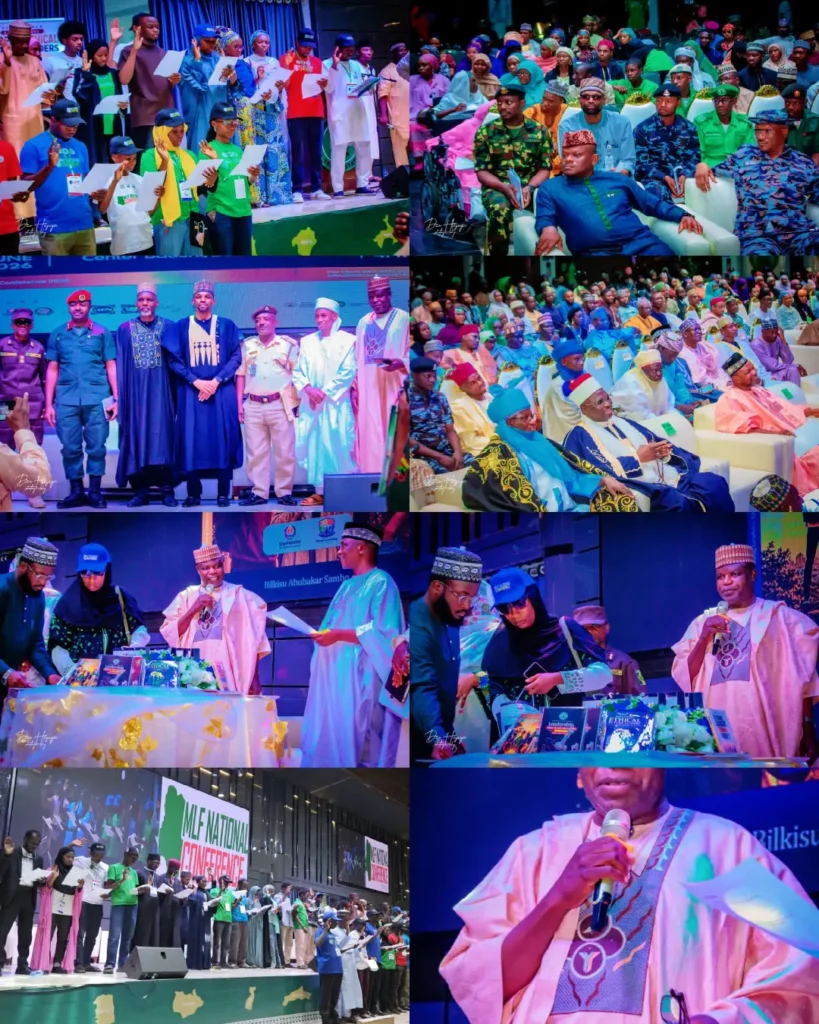
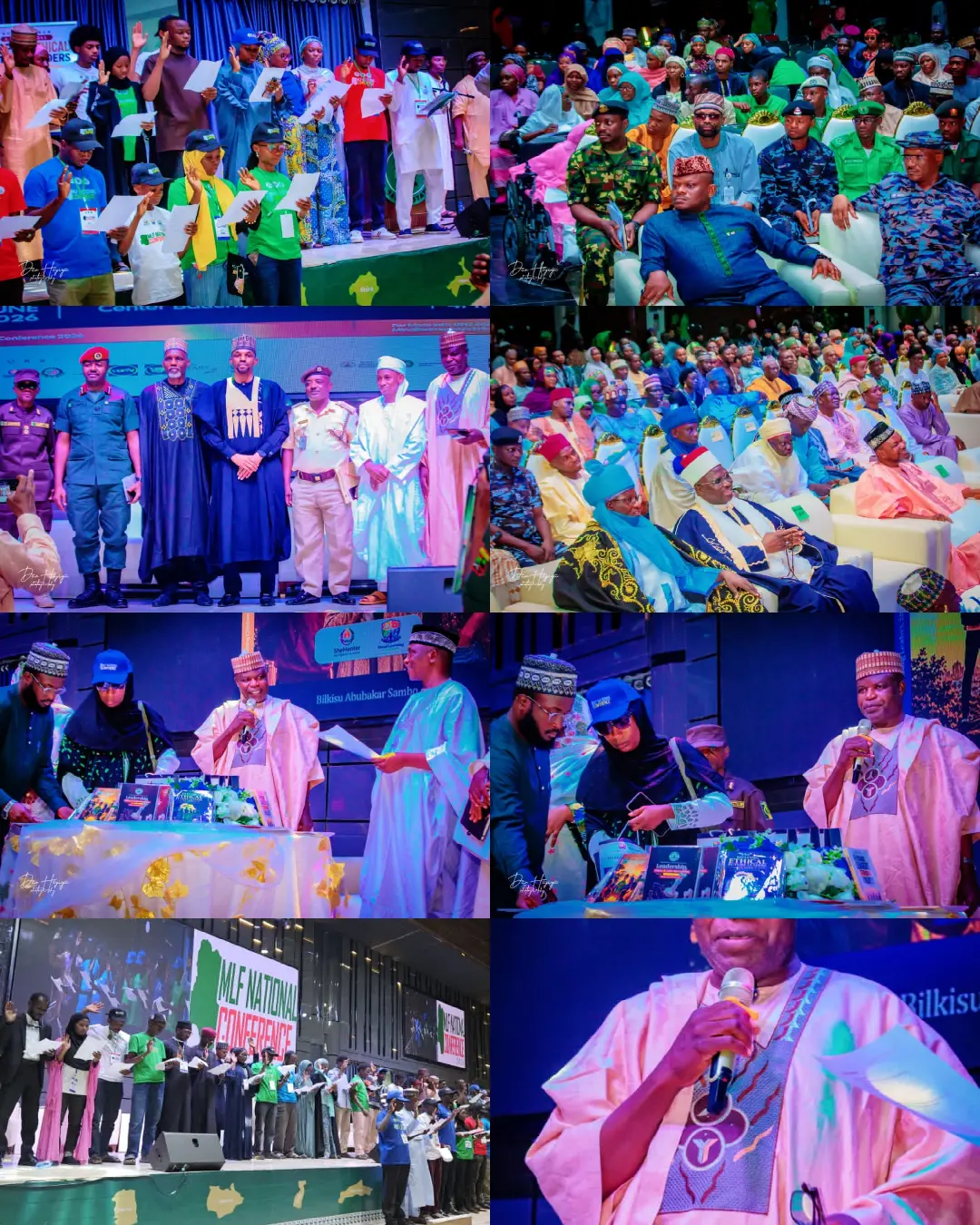
The position was presented by the North-East Zonal Director of the agency, Nuru Yusuf Kobi, who represented the Director-General of the NOA, Lanre Issa-Onilu, during a panel session on “Ethical Leadership and National Development” at the Ethical Heroes Award Conference held in Bauchi on Saturday.
According to a statement signed by the agency’s Director of Communication and Media, Bala Musa, the NOA stressed that ethical leadership is not determined by position or title but by a consistent commitment to doing what is right, even when no one is watching.
Addressing participants drawn from government institutions, security agencies, traditional and religious institutions, academia, the private sector, civil society organisations and development partners, Kobi said integrity must become a daily habit guiding both individual and institutional conduct.
He noted that every honest act—whether by a public servant, security officer, trader, teacher, community leader or ordinary citizen—contributes to building a more responsible and prosperous nation.
The NOA representative described public trust as the bedrock of effective governance, peaceful coexistence and economic development.
“When citizens trust their leaders, they cooperate with government. When investors trust public institutions, they invest with confidence. When young people trust the system, they choose hard work over shortcuts. Trust is the real currency of national development,” he said.
The agency warned that corruption, abuse of office and other forms of unethical conduct weaken institutions, erode public confidence and undermine national progress, stressing that restoring trust requires ethical leadership at every level of society.
Highlighting the agency’s initiatives, Kobi said the National Values Charter provides a practical framework outlining the shared responsibilities of government and citizens in promoting patriotism, integrity, fairness, discipline, peaceful coexistence and responsible citizenship.
He added that through its nationwide presence across states, local government areas and communities, the NOA continues to engage Nigerians in local languages, taking messages of national values to homes, schools, markets, places of worship and traditional institutions to encourage lasting behavioural change.
The agency also called on public institutions, security agencies, educational institutions, religious organisations, professional associations, civil society groups and the private sector to institutionalise ethical values by promoting transparency, accountability, fairness and service above personal interest.
Kobi concluded that Nigeria’s future depends on building a culture where integrity becomes a habit, habits generate trust and trust drives sustainable development.
He summarised the message with the phrase: “Integrity→Habit→Trust→Development.”
The NOA reaffirmed its commitment to promoting value reorientation, strengthening civic responsibility and advancing ethical leadership as essential pillars for building a united, peaceful and prosperous Nigeria.
