


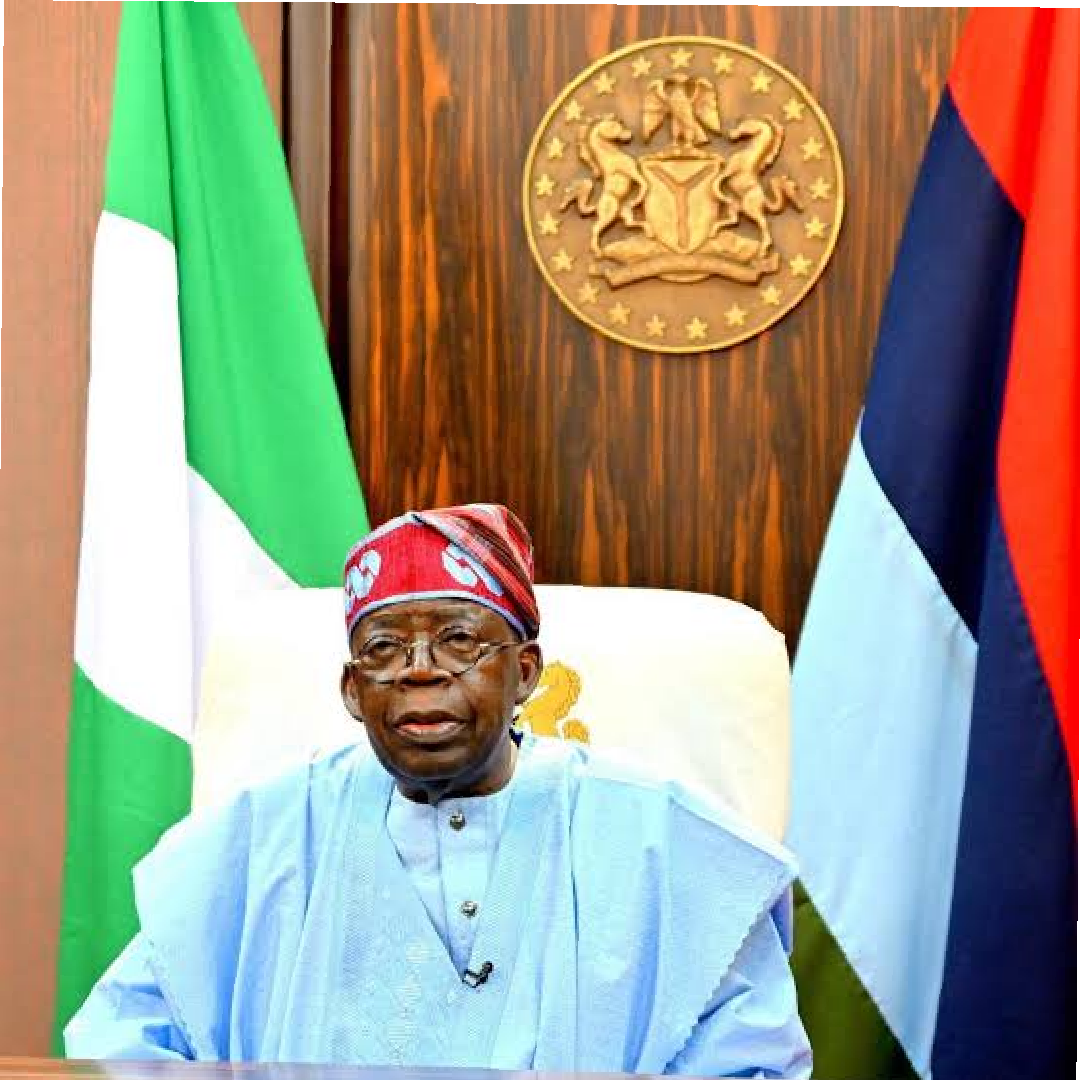
Nigeria’s President, Bola Ahmed Tinubu has declared that the country has entered the “age of prosperity”, saying the difficult phase of economic reforms has laid the foundation for improved living standards, job creation and broader prosperity.
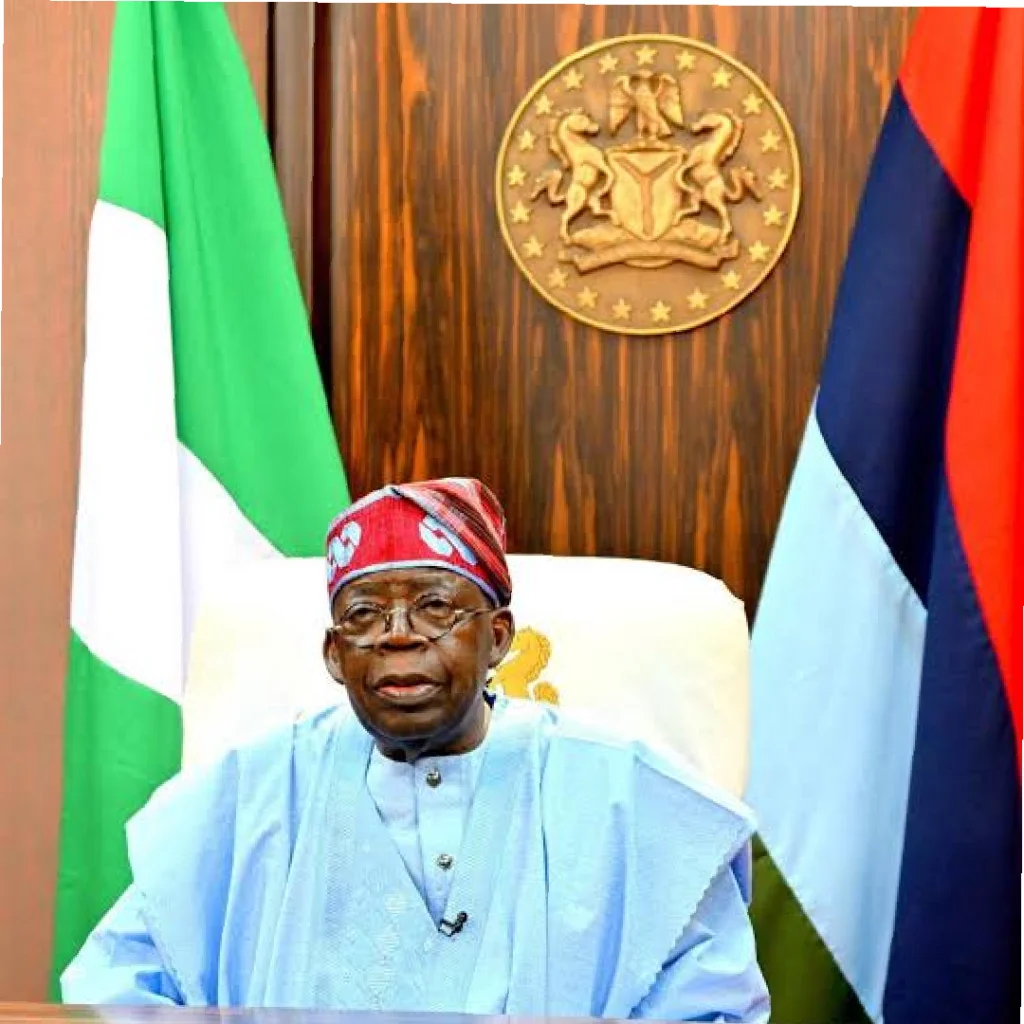
President Tinubu made the declaration on the 66th anniversary Independence Day address to Nigerians, saying the government’s overriding economic task had shifted from correcting the country’s course to ensuring that Nigerians begin to experience the benefits of the reforms.
According to him, “The age of reform has done its work. Now begins the age of prosperity.”
He said the new phase would focus on bringing down the cost of living, expanding production, creating productive jobs and ensuring that economic growth translates into tangible improvements in the lives of Nigerians.
He said that prosperity should not be measured only by the size of the economy or statistical indicators, but by whether ordinary Nigerians can farm safely, access affordable food and transportation, secure productive employment and operate businesses in a more reliable economic environment.
President Tinubu said the government would pursue this objective by reducing the cost of producing and moving goods across the country.
He listed expanded mechanised irrigation and dry-season farming, improved access to seeds and fertiliser, increased mechanisation, storage and transportation infrastructure among the measures being pursued in the agricultural sector.
He added that the government was building and completing roads, railways and ports to connect farms and factories with markets.
“Our logic is simple: When a farmer produces more cheaply, when fewer crops are lost between the farm and the market, when a manufacturer spends less on electricity, when a truck reaches its destination faster, and when the business environment fosters fair competition, all those savings will ultimately find their way into the price of goods in the market,” President Tinubu said.
Jobs, industrial growth take centre stage
President Tinubu also placed jobs, enterprise and industrial growth at the centre of the next phase of his administration.
He said Nigeria’s youthful population represented a major economic opportunity if properly harnessed through productive employment, skills development and entrepreneurship.
President Tinubu said the government would use the country’s gas resources to power industries, support the revival of factories, expand digital connectivity and invest in skills required by employers.
He also expressed his desire to see more Nigerian-made products, stronger domestic agriculture and Nigerian businesses exporting goods globally.
“I want to see more Nigerians making things. I want to see more Nigerian farms feeding our cities and supplying our factories.
“I want to see Nigerian businesses selling Nigerian goods to the whole world. I want young Nigerians building unicorns and creating opportunities for others here at home,” he said.
Tinubu defends economic reforms
The President defended the difficult economic decisions taken by his administration since assuming office, arguing that the reforms confronted problems that had accumulated over decades.
Using the analogy of a patient diagnosed with cancer, Tinubu said previous governments had, in his assessment, treated the symptoms of Nigeria’s economic problems rather than confronting their underlying causes.
He described the reforms as painful treatment but argued that they were necessary to correct what he called deep economic distortions.
“Our reforms did not create the weaknesses in our economy. They confronted them,” he said.
President Tinubu said Nigeria had now reached a turning point, claiming that economic growth had exceeded four per cent this year, while oil theft had declined, inflation had fallen substantially from its peak, foreign reserves had been rebuilt and the foreign exchange market had stabilised.
He also said Nigeria recorded its highest non-oil export revenue in 2025, exceeding $6 billion.
Support for vulnerable Nigerians
While presenting the reforms as necessary, President Tinubu acknowledged that millions of Nigerians continue to face difficulties meeting basic needs.
He said families were still struggling with food, school fees, medical bills and transportation costs, stressing that their challenges predated the reforms.
Tinubu said the government would therefore strengthen direct support for poorer households and improve the National Social Register to ensure that assistance reaches people who need it.
He also highlighted the Nigerian Education Loan Fund, CREDICORP, and continued investment in primary healthcare and basic education as measures designed to support vulnerable Nigerians.
“These programmes are not substitutes for prosperity. They are a bridge to aid our nation’s citizens on their path towards it,” he said.
“Our objective is not to manage poverty more efficiently. We will defeat it.”
‘No looking back’
Tinubu acknowledged that the transformation he envisages would take time and require sustained economic growth and the creation of millions of productive opportunities.
But he said Nigeria was now approaching the task from a stronger position after what he described as a correction of the country’s economic direction.
Referencing the biblical account of the Israelites’ journey, the President said Nigeria had “passed through our own Red Sea” and should not look back.
“The Promised Land before us is a Nigeria of abundance and opportunity; a nation where prosperity is broadly shared, where every child can dream beyond the circumstances of his birth, and where our country’s immense promise is finally reflected in the lives of our people,” he said.
“Our destination is in sight. Our foundations are strong. Our direction is clear. So let us go forward. No looking back.”
