


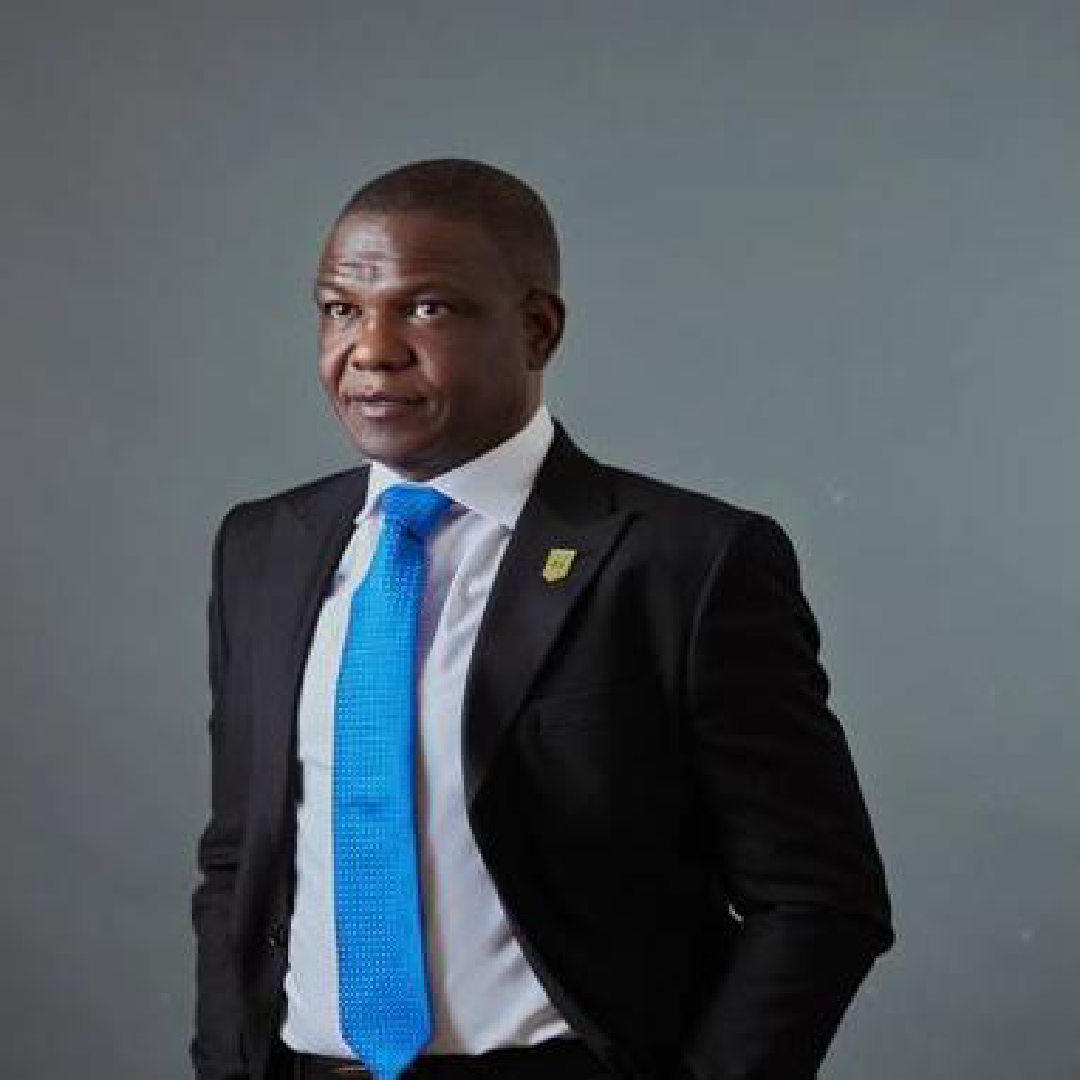
Retired Deputy Inspector-General of Police, DIG Frank Mba, has warned that criminals are adapting faster than the Nigeria Police Force, exploiting technology, sophisticated financial systems and borderless networks to stay ahead of traditional policing methods.
Speaking on the country’s security situation as Nigeria marked its 66th Independence Anniversary, Mba warned that criminals were learning, adapting and exploiting technology at a pace that could leave traditional policing struggling to keep up.
Mba, now a legal practitioner, security consultant and reputation management expert, said criminality had moved far beyond the conventional offences that once dominated Nigeria’s security landscape.
According to him, robbery, burglary and assault were largely physical and localised, but criminal activities have evolved in their pattern, spread, methodology, intensity, lethality and sophistication.
Globalisation and technological advancement, he said, have provided criminals with new opportunities, contributing to the expansion of kidnapping, terrorism, cultism, organised crime and cyber-enabled offences.
“Crime has become more organised, globalised, more technology-driven, financially sophisticated and, in many cases, virtual, contactless and borderless,” he said.
When crime moves beyond the street
For Mba, the transformation means that the traditional image of policing, officers physically pursuing suspects, conducting searches and investigating crimes after they occur is no longer enough.
The criminals have moved into a world where technology, data, digital platforms and financial systems can become weapons.
Modern policing, he said, must therefore move with them.
Technology, intelligence, digital forensics, cyber tools and advanced financial investigation capabilities must become central to the fight against crime. Stronger international cooperation and citizens’ trust, he added, are equally important.
Mba acknowledged that the Nigeria Police Force, NPF, has begun responding to the changing environment.
He cited the activities of the National Cybercrime Centre in tackling cyber-enabled offences, as well as growing cooperation between the police and international organisations such as INTERPOL and AFRIPOL.
Such partnerships, he said, have strengthened intelligence sharing and training in areas including terrorism, money laundering, human and narcotic trafficking and other transborder crimes.
Police training is also being modified, according to Mba, with greater emphasis on cybercrime investigation, digital forensics, financial crime, intelligence and counter-terrorism.
But even as these changes take place, Mba believes a more difficult question remains: Are the police evolving fast enough?
“The criminals are not waiting” – Frank Mba
That question, he said, is important because criminals are not standing still.
“The criminals are not waiting for the police,” he said.
Their speed of adaptation, technological capability, reach, lethality and sophistication continue to create challenges for law enforcement.
Mba identified inadequate training and a shortage of up-to-date digital forensic tools as some of the gaps requiring urgent attention.
The former police chief called for sustained investment in the NPF, particularly in personnel, specialised training, technology, intelligence capabilities and international partnerships.
The objective, he said, should not merely be to respond to new forms of crime after they emerge.
The police must anticipate them.
Preparing for tomorrow’s crimes
For Mba, the future of policing depends on how well the Force prepares for threats that may not yet have fully emerged.
He also stressed that technology alone would not be enough. The police must rebuild and regain the trust of Nigerians, describing public confidence as an important component of effective policing.
His message to the police leadership was therefore not simply about responding to today’s security challenges, but preparing for what comes next.
“Ultimately, the NPF leadership should remain futuristic. Our police officers should be prepared, not just for the crimes they are fighting today, but for the crimes that will emerge tomorrow,” he said.
