


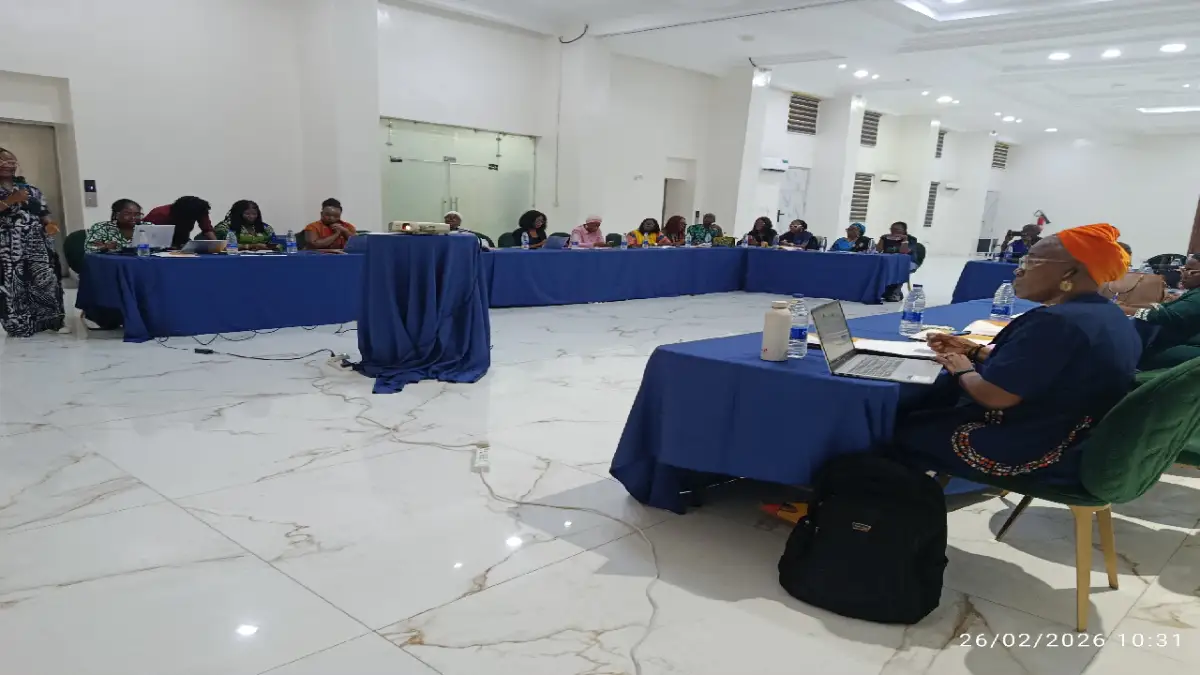
In an effort to ensure women and girls across Africa can engage online free from technology facilitated violence, the Women Advocates Research and Documentation Centre, WARDC, has reaffirmed its commitment to amplifying the voices of women and girls.
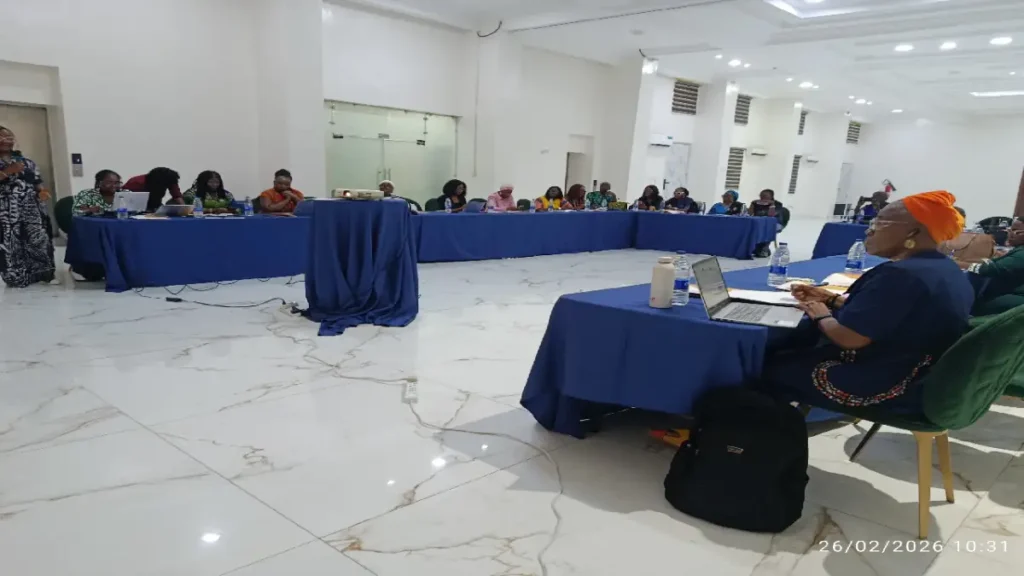
The Acting Executive Director, WARDC, Princess Olufemi-Kayode, made this known at a high-level meeting convened by the organisation in Lagos.
The conversation, themed National Meeting and Exchange Program on Technology Facilitated Violence Against Women and Girls, TFVAW/G, in Sub-Saharan Africa, was a collaborative effort with FIDA Kenya, supported by the United Nations Trust Fund, UNTF.
Deepening cross-border action against technology facilitated violence
According to Dr. Olufemi-Kayode, the meeting was designed to strengthen collaboration between Nigeria and Kenya in tackling technology facilitated violence.
“Our goal is to deepen cross-border learning, consolidate the gains we have made and equip this group with the transfer of knowledge, tools and resources needed to sustain advocacy within the organisations, networks, and communities through shared experiences from Nigeria and Kenya, the capacity building sessions, and the project training manual and end-line research reports. We’ve got to strengthen the ecosystem of actors working to make tech spaces safer.”
She appreciated partners and participants at the hybrid event, adding, “I want to especially appreciate our partners, facilitators, and every organisation represented here today, both physically and online. Your leadership has contributed to our plan advancing women’s rights, which we’ve decided to work towards. Together we can build stronger networks, amplify our voices, and ensure that women and girls across Africa can engage online, free of violence.”
Online spaces turning into arenas of abuse
Janet Anyango, Head of Programmes/Deputy Director at FIDA Kenya, stressed that technology facilitated violence is a growing threat that requires collective accountability.
“For FIDA, we are very committed to creating online safety for everyone, especially our constituents and women and girls primarily, and we are very humbled that we are having this partnership with WARDC and of course the UNTF.”
She described the urgency of holding perpetrators accountable and changing public perception about digital abuse.
“This is a collaborative approach that needs all our concerted efforts to be able to think through how best we can hold perpetrators accountable, how best we can change the perceptions around technologically facilitated violence, and how best we can educate as many people as possible about the forms.”
Drawing from Kenya’s experience, she revealed, “In Kenya, we have a female Chief Justice who was subjected to technologically facilitated gender-based violence when she was bullied and trolled online, when people were bold enough to send her threatening messages and call her names because of her work.”
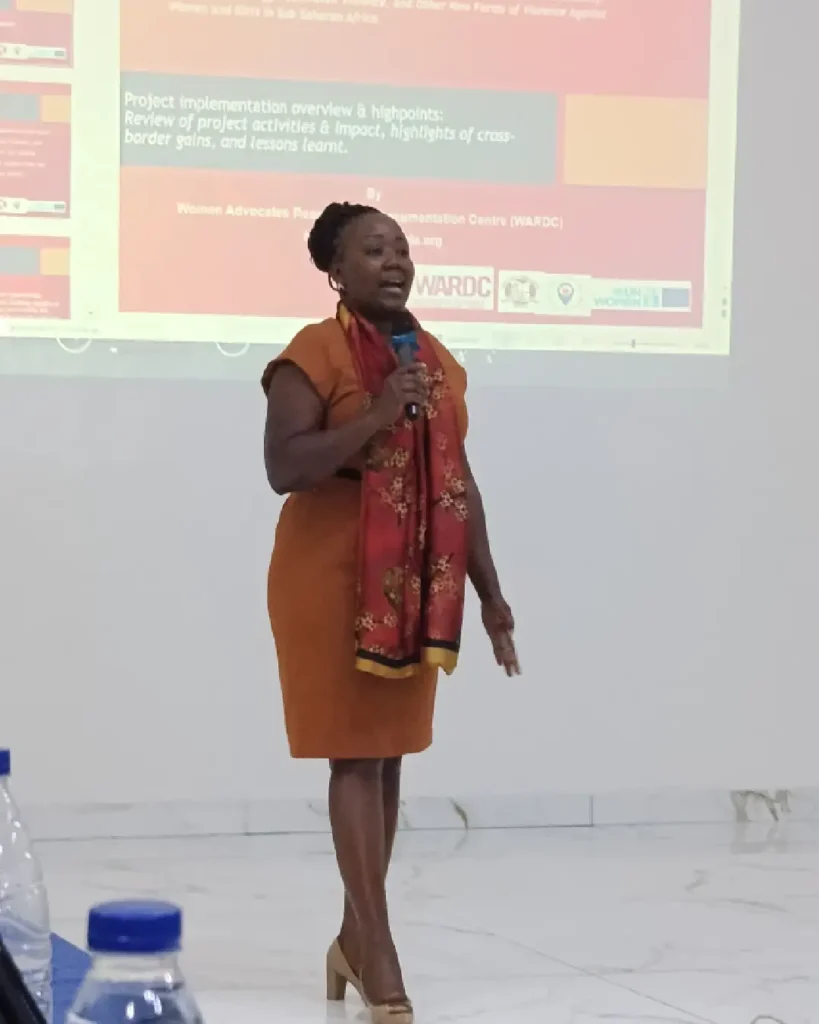
She added, “I’m very excited that we are all committed to this conversation, and we are all committed to finding solutions towards response, but also committing a lot of efforts towards prevention of this technologically facilitated violence that is perpetrated especially on women and girls as we navigate this internet space.”
Research exposes hidden patterns of abuse
Programme Officer UNTF, Temitope Oduyebo highlighted findings from the pilot project implemented in Nigeria and Kenya, pointing to the alarming rise in technology facilitated violence across Sub-Saharan Africa.
While traditional forms of violence such as physical abuse remain prevalent, she noted a sharp increase in digital and online abuse, including, cyberstalking
non-consensual sharing of intimate images, online harassment, sexualised digital violence, and so on.
Oduyebo observed that many victims fail to initially recognise certain acts as violence, often normalising behaviours such as the unauthorised circulation of intimate images.
She explained that technology itself is not harmful but can be misused as a tool for abuse and control. Social media platforms such as Facebook, Twitter (X), Instagram, and Snapchat were identified as high-risk spaces for women and girls, while platform owners often evade accountability despite profiting from user engagement.
Other major concerns raised include weak enforcement of existing laws, lack of digital forensic capacity among law enforcement agencies, judicial gaps, and persistent victim-blaming. Survivors frequently face stigma instead of support, while perpetrators exploit legal and technological loopholes.
The Lagos Blueprint: Digital abuse is real violence
Mrs. Yetunde Odekunle with the Lagos State Domestic and Sexual Violence Agency presented the Lagos Blueprint: Development and Implementation of TFGBV Policy, outlining institutional responses to technology facilitated violence.
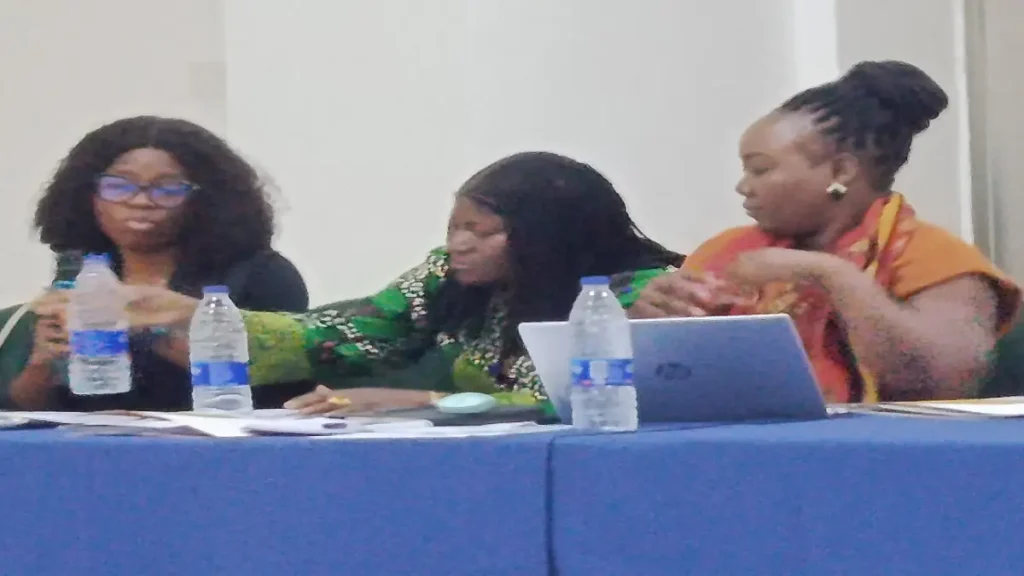
She made a firm declaration, “Digital abuse is real violence.”
Odekunle explained that online harassment, image-based abuse, AI-generated sexual content, and other forms of tech-facilitated harm are not “mere online issues” but serious violations deserving full legal protection.
By recognising digital abuse as real violence, strengthening legal tools, institutionalising survivour-centred processes, and building strong civil society partnerships, the policy seeks to ensure survivors are protected, heard, and supported both online and offline.
Participants at the meeting include, Founder, WARDC Dr. Abiola Akiyode-Afolabi, Leticia Mwavishi, Policy and Advocacy Officer, FIDA Kenya, Mary George-Peluola, Deputy Executive Director, WARDC, Emmanuella Azu, WARDC Regional Director, Expansion and Experience, among others.
