


When the Inspector-General of Police, Olatunji Rilwan Disu, recently inaugurated an eight-member committee to examine the possibility of state police in Nigeria, the move signalled a fresh institutional willingness to rethink the country’s security architecture.
The pronouncement by the police chief — Nigeria’s 23rd IGP — that state police in Nigeria could strengthen internal security has since ignited debate among legal scholars and policy watchers about the practicality and safeguards necessary for such a sweeping reform.
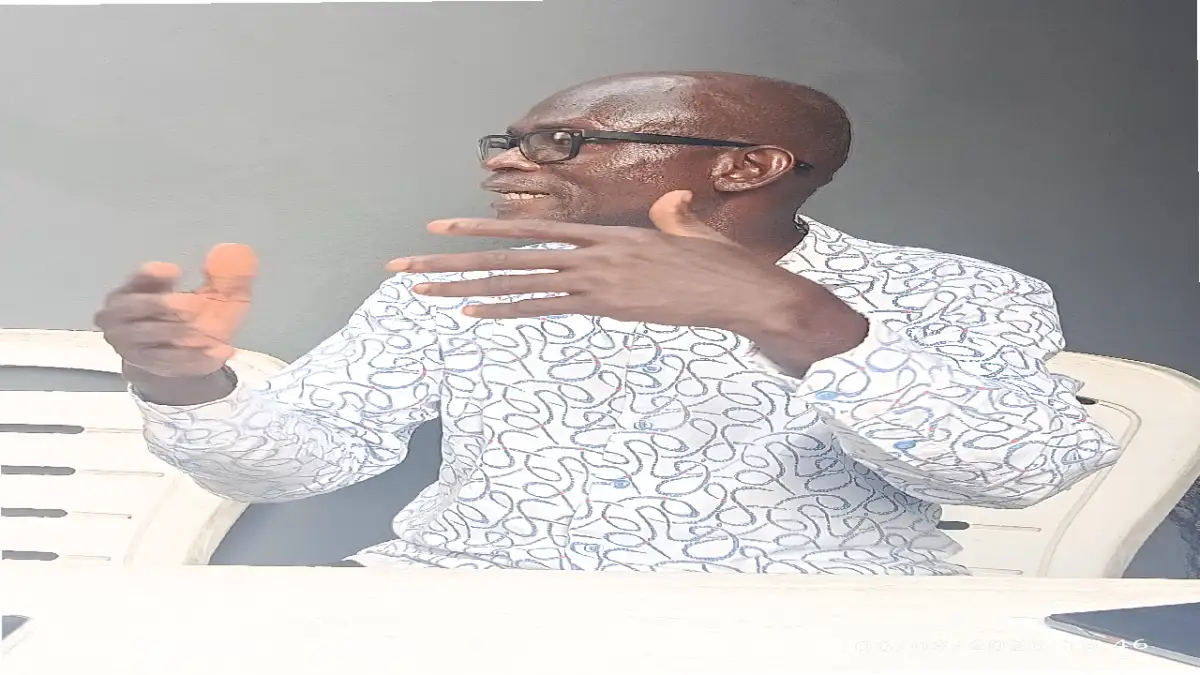
One of those voices is legal practitioner Dr. Yemi Omodele, who, while acknowledging the potential benefits of decentralised policing, insists that the idea must be approached with caution and anchored on strong constitutional safeguards.
Speaking during a media interaction marking the formal opening of Dr. Yemi Omodele Chambers at Oshifila Street, Anifowoshe, Ikeja, Lagos, the lawyer reflected on the implications of state policing and the conditions that must precede its implementation.
“Nigeria is ready, but with a caveat”
Responding to questions from journalists about whether Nigeria is ripe for state police, Omodele said the concept is not inherently flawed, but warned that its success depends largely on proper legal and institutional frameworks.
According to him, “If the government is serious, Nigeria is not too old or too young to have state police. But, with a caveat, it must be properly managed.”
He explained that the operational control structure of state policing could become problematic if not carefully regulated.
“When you talk of state police, that means the state will be in charge of that issue and that means the governor can do and undo. Because there’s what they call ‘by the command of the governor.’ I have read the Gazette — by the command of the governor — so that they will not use that authority to perpetrate illegalities.”
For Omodele, the debate surrounding state police in Nigeria must go beyond mere political enthusiasm to include robust legal reforms capable of preventing abuse.
Constitutional amendment and funding concerns
The lawyer stressed that the success of state policing depends first on constitutional reform.
“The constitution must be accordingly amended to accommodate it and to checkmate the operational level of the state police. If that is not done, there will be challenges.”
Beyond legal frameworks, Omodele pointed to the enormous financial burden that state police in Nigeria would impose on subnational governments.
“The finance is another issue. If you have access to the salaries being paid to the Nigerian police today, it’s not a token, and the cost of managing and maintaining it is not a token as well.”
He argued that only a limited number of states could realistically fund such a structure through their Internally Generated Revenue, IGR.
“Before you talk of operational vehicles, offices, gadgets and equipment, they run to millions of naira. If state police comes to reality in Nigeria, it may address security challenges one way or the other — but it may not be total.”
Risk of political abuse
Another major concern raised during the media chat was the possibility of state policing being weaponised for political advantage.
Omodele warned that without strict regulatory mechanisms, ruling parties in states might deploy security agencies against political opponents.
“If you are a member of political party yellow and that party produces the government in the state, and political party black objects to your occupation of office, you will not call the police and arrest him or charge him to court.”
To prevent such scenarios, he suggested that existing local security outfits could be transformed into regulated policing structures.
Using Lagos as an example, he noted, “If people buy the idea Lagos State is using now, they have commandants for those people — the Neighbourhood Watch. They can metamorphose it to state police and regulate it by law under federal supervision.”
However, he warned against the misuse of security agencies during electoral contests.
“Tomorrow is election and you arrest somebody overnight, say you are state police, detain him and take him to Badagry prison until results are announced. It will happen. I’m not a prophet, but I’m telling you what will happen.”
Assessing governance under President Tinubu
Beyond security reforms, Omodele was also asked to assess the performance of the administration of President Bola Ahmed Tinubu.
While acknowledging that no administration can satisfy every citizen, he described the government as one making measurable efforts.
“The government may not be a perfect government, but it is what I call a trying government.”
He added, “What I mean by trying is that it’s performing, but it may not be excellent.”
According to him, governance outcomes must always be viewed within the broader context of public expectations and economic realities.
“You see, no government can satisfy everybody.”
