


The Corporate Accountability and Public Participation Africa, CAPPA, has urged the Nigerian government to adopt and implement stronger healthy food policies, including sodium reduction targets, front-of-pack warning labels, restrictions on the marketing of unhealthy foods to children, and a strengthened Sugar-Sweetened Beverage, SSB tax framework, as part of efforts to tackle the country’s growing burden of diet-related diseases.
The call was made in a statement issued on Saturday to commemorate World Food Safety Day 2026, observed globally on June 7 under the theme, “From Burden to Solutions – Safe Food Everywhere.”
According to the organisation, food safety should extend beyond preventing contamination and foodborne illnesses to protecting consumers from excessive levels of salt, sugar, unhealthy fats, and harmful additives linked to non-communicable diseases, NCDs, such as hypertension, diabetes, obesity, stroke, kidney disease, cardiovascular ailments and certain cancers.
CAPPA’s Executive Director, Akinbode Oluwafemi, said Nigeria is grappling with a public health crisis driven by increased consumption of ultra-processed foods and beverages, coupled with weak regulatory measures that expose consumers to unhealthy products.
“Food safety is not only about preventing food poisoning. It is also about ensuring that the foods and drinks available to Nigerians do not slowly undermine their health and wellbeing,” Oluwafemi said.
He stressed that addressing the growing burden of NCDs requires policies that prioritise public health over commercial interests, noting that millions of Nigerians are already living with diet-related illnesses that place significant pressure on families, healthcare systems and the economy.
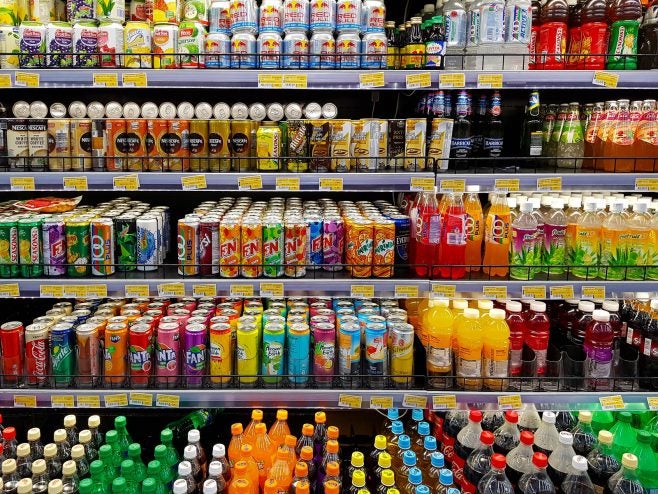
CAPPA commended the Senate for passing a bill aimed at reforming and strengthening Nigeria’s SSB tax framework, describing the move as a major step towards reducing excessive sugar consumption.
The organisation, however, urged the House of Representatives to expedite consideration of the bill and ensure its transmission to the President for assent.
It argued that evidence from several countries shows that taxes on sugary drinks help reduce consumption, encourage manufacturers to reformulate products and generate revenue for public health programmes.
The group also renewed its call for a national sodium reduction target, warning that excessive salt intake remains a major contributor to hypertension and cardiovascular diseases in Nigeria.
In addition, CAPPA urged regulators to implement Front-of-Pack Warning Labelling, FOPWL, on packaged foods and beverages to enable consumers identify products containing excessive amounts of salt, sugar and unhealthy fats.
The organisation further advocated comprehensive restrictions on the marketing of unhealthy foods and beverages to children, alleging that food and beverage companies increasingly target young audiences through television, social media, schools, influencers and sporting events.
CAPPA also opposed proposals to fortify ultra-processed products such as bouillon cubes that contain high levels of salt, warning that such measures could create a misleading impression that unhealthy products are beneficial simply because vitamins or minerals have been added.
While acknowledging the need to address micronutrient deficiencies, the organisation insisted that fortification should not be used to mask the health risks associated with products that contribute significantly to excessive sodium consumption.
Drawing parallels with the tobacco industry, Oluwafemi alleged that some sections of the ultra-processed food industry deploy similar tactics to resist regulations, including questioning scientific evidence, exaggerating economic consequences and promoting voluntary measures over mandatory controls.
He maintained that nutrition policies should be guided by independent science and public health considerations rather than industry influence.
CAPPA called on the Federal Ministry of Health and Social Welfare, the Federal Ministry of Agriculture and Food Security, the National Agency for Food and Drug Administration and Control, NAFDAC, the Standards Organisation of Nigeria, SON, lawmakers, consumer groups and public health advocates to strengthen collaboration towards creating healthier food environments across the country.
The organisation said World Food Safety Day provides an opportunity to recognise that safe food is not only food that is free from contamination but also food that promotes health and prevents avoidable diseases.
