


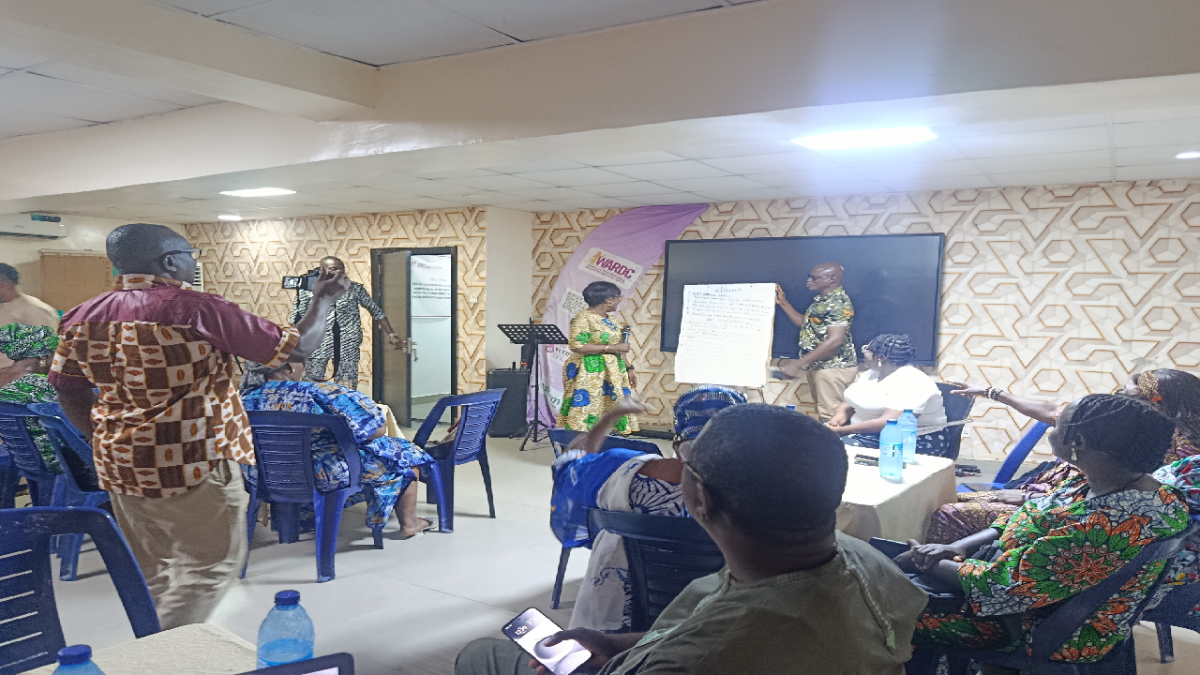
The Women Advocates Research and Documentation Centre, WARDC has reached over 38,000 individuals in its mission to combat Postpartum Hemorrhage, PPH.
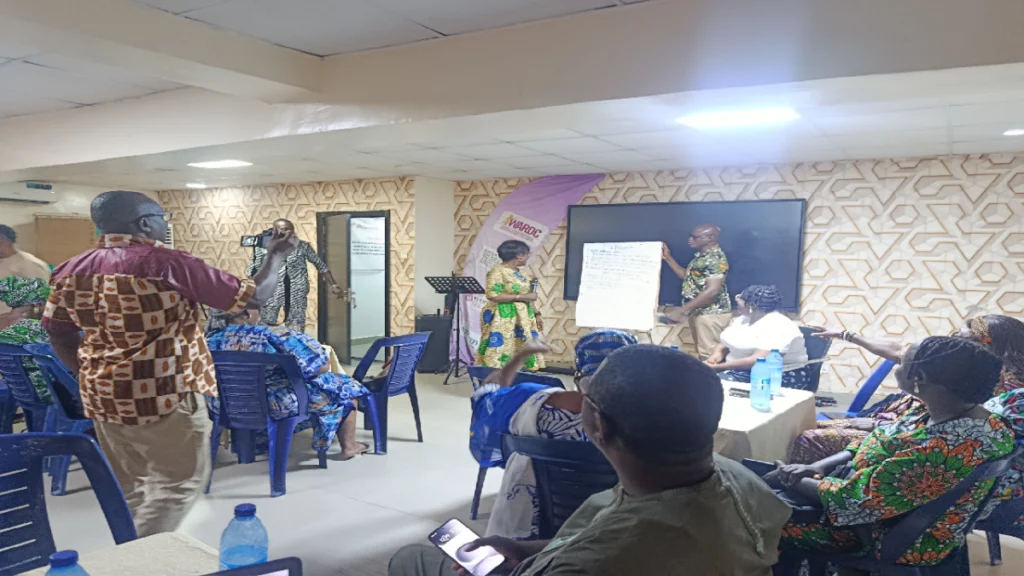
PPH refers to heavy bleeding after childbirth and can become life-threatening when it is not recognised and treated promptly.
By rallying stakeholders on Friday to harp on Tranexamic Acid, TXA, WARDC aims to prevent maternal deaths caused by excessive bleeding during childbirth.
Against this backdrop, the organisation urged the project’s field officers not to rest on their oars in warning about Postpartum Haemorrhage and advocating for the use of TXA.
TXA is a prescription medicine that stops heavy bleeding.
To ensure TXA access for all mothers with bleeding after birth, the Founder of WARDC, Professor Abiola Akiyode-Afolabi said that no woman should die while giving birth.
She spoke on Friday at a follow-up meeting on the Project TRANSFORM with technical and research support from the London School of Hygiene and Tropical Medicine, LSHTM.
Prof. Akiyode-Afolabi expressed satisfaction with the community engagements of Project Transform Field officers across different clusters in Lagos State.
She emphasised the need to amplify success stories of the project; while also reiterating WARDC commitment towards ensuring heightened public awareness on the prevention of maternal deaths through media engagements.
Field officer from different cluster across Lagos State shared their success stories and further called for more support to expand the reach of community awareness.
Recall that WARDC has been pushing for TXA access because of PHH, a serious childbirth complication defined as excessive bleeding after delivery, usually within the first 24 hours but sometimes occurring later.
It is one of the most dangerous threats to maternal survival, accounting for almost 28 per cent of Nigeria’s high maternal mortality ratio.
She also wants the governments at all levels to increase budget for health interventions in the country just as she urged stakeholders to be intentional in their engagement.
She reiterated, “No woman should die while giving birth.”
As it stands now, WARDC has reached more than 38,000 people across 170 communities in Lagos and Ibadan with awareness campaigns aimed at reducing preventable maternal deaths, particularly those linked to postpartum haemorrhage, PPH.
The 11-month TRANSFORM project, being implemented in Lagos and Oyo states, focuses on postpartum haemorrhage, the clinical use of Tranexamic Acid, TXA, birth preparedness and women’s rights to quality maternal healthcare.
WARDC said its intervention is designed to ensure that women, families, healthcare workers and communities have accurate information about pregnancy and childbirth complications and understand the importance of seeking timely medical attention.
The organisation clarified that its messaging on TXA is not intended to promote self-medication, but to improve public understanding of the drug’s role within appropriate clinical management of severe bleeding after childbirth.
WARDC engages 170 communities
The project, which initially targeted more than 100 communities and a direct reach of 50,000 people, has already extended its engagement to over 170 communities in Lagos and Ibadan.
WARDC said it has engaged women’s and youth groups, traditional and religious leaders, healthcare workers and other community stakeholders through sensitisation sessions, community dialogues and town-hall meetings.
More than 10,000 simplified information, education and communication, IEC, materials have also been distributed as part of efforts to make maternal-health information accessible to community members.
The organisation is also working to strengthen linkages between communities and appropriate health facilities, with the aim of helping women and families understand where and when to seek care when complications occur.
According to WARDC, the community-based activities are being supported by radio, television, print and digital media campaigns to extend maternal-health conversations beyond communities directly reached by the project.
The digital campaign covers platforms including Facebook, Instagram, X and TikTok, alongside media interviews, expert discussions, feature stories and other public-interest reporting on maternal health, PPH, TXA and accountability.
Project targets maternal health accountability
As the TRANSFORM project continues, WARDC plans to organise radio and television programmes that will bring together women, community leaders, healthcare workers, advocates and other stakeholders to discuss maternal health challenges and respond to questions from the public.
The organisation is also engaging government and health-sector stakeholders on the adoption, implementation and availability of appropriate interventions for PPH, including TXA, in accordance with relevant guidelines and health-system requirements.
WARDC said evidence gathered from communities—including testimonies, monitoring findings and concerns emerging from media and public discussions—will be used to inform these engagements.
To sustain awareness beyond the project’s direct activities, the organisation has trained 30 community leaders and health advocates as Trainers of Trainers.
The beneficiaries are expected to continue sharing information and promoting community accountability around maternal healthcare.
WARDC also highlighted the role of journalists in keeping maternal health on the public agenda.
The organisation urged journalists to move beyond reporting statistics and individual cases of maternal deaths by examining the experiences of women and families, engaging healthcare professionals and community leaders, and investigating factors that affect timely access to maternal healthcare.
It said such reporting could help connect conversations about preventable maternal deaths across communities, health facilities, government stakeholders and the wider public.
The TRANSFORM project therefore combines community mobilisation, public education, media engagement and health-sector advocacy in an effort to improve understanding of PPH and strengthen accountability around maternal healthcare in Lagos and Oyo states.
