


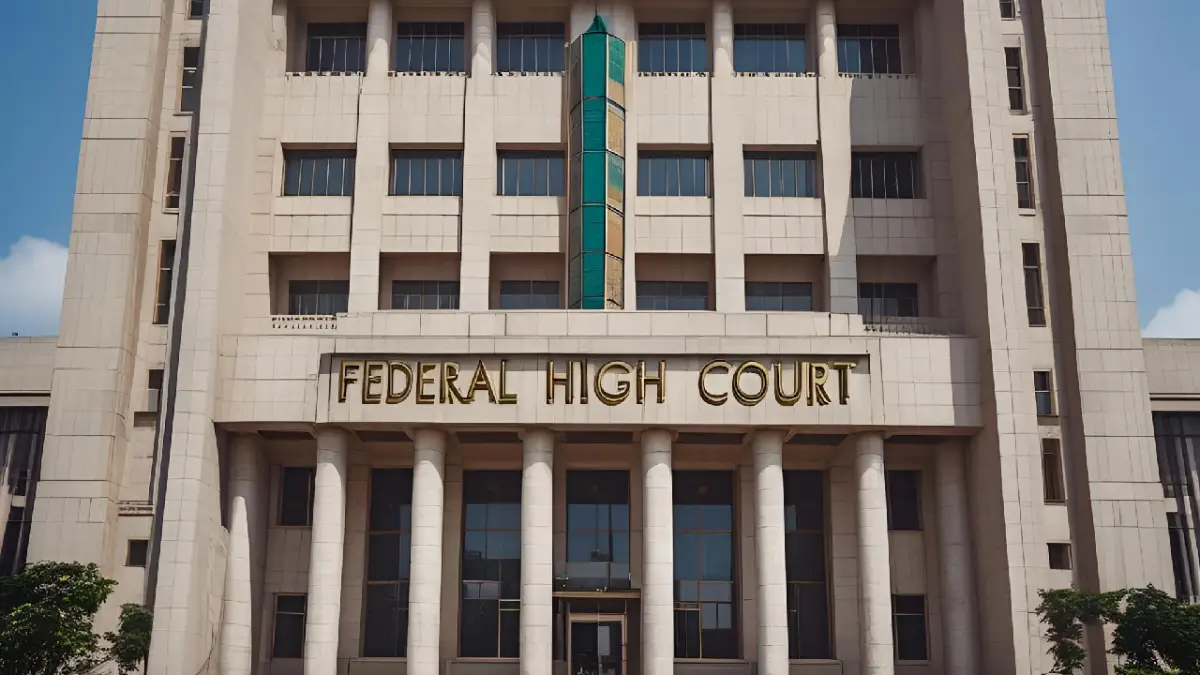
The Federal Capital Territory, FCT, recorded a pivotal legal victory on July 11, 2025, as the Federal High Court dismissed a N500 million lawsuit challenging the ongoing FCT scavenger crackdown targeting street scavengers, beggars, and illegal traders in Abuja.
The decision has been widely celebrated by security experts and law enforcement agencies as critical to restoring order, safeguarding infrastructure, and curbing urban criminality.
FCT Commissioner of Police Adewale Saka Ajao welcomed the verdict, stating, “The judgement is a boost to Police efforts to curb vandalism of public infrastructure.”

The lawsuit, filed in November 2024 by Abuja-based lawyer Abba Hikima, sought to enforce fundamental rights for homeless persons, scavengers, beggars, and street traders, alleging that arrests, harassment, and detentions carried out under Minister Nyesom Wike’s directive violated constitutional provisions on dignity, liberty, and movement. Hikima also demanded N500 million in damages.
However, the court sided with the Federal Capital Territory Administration, FCTA, and other respondents, ruling that granting the reliefs sought would turn Abuja into “a haven of all sorts of unwanted and unwholesome activities.”
Operation Sweep Abuja Clean gains ground
The ruling comes just days after the launch of Operation Sweep Abuja Clean, a citywide campaign aimed at eradicating public nuisances and criminal hotspots. Led by Minister Wike, the operation targets scavengers, beggars, and illegal street traders, who authorities say often provide cover for “One Chance” robbery gangs and other forms of urban crime.
“Our nation’s capital should be a secured symbol of pride and beauty, not a site for street beggars and scavengers, most of whom are agents of criminal elements,” Wike emphasised.
The joint task force—comprising the Nigeria Police, civil defence, State Security Services, and FCT agencies—has been authorised to apprehend individuals engaging in activities deemed unsafe. Detainees are profiled and transferred to their home state governments for further management.
Security analysts have pointed out that incidents of manhole theft, a major hazard and economic burden, have significantly dropped since the FCT scavenger crackdown intensified. Previously, open manholes were responsible for multiple vehicular accidents and costly repairs.
Police commend legal backing for enforcement
Commissioner Ajao hailed the court’s support for the FCT scavenger crackdown as a win for law-abiding residents. “This move is not just about enforcement; it is about reclaiming the capital for citizens,” he said. “The judgement is not a personal victory for the Minister but a collective gain for residents who have suffered at the hands of those hiding behind poverty to commit crimes.”
Security experts agree that unregulated scavenging and begging have long facilitated theft, vandalism, and organised crime, creating risks for public safety and urban management. They stress that enforcement measures must continue to curb these activities and uphold the Abuja Environmental Protection Act, which empowers authorities to maintain cleanliness and order. The decision has clarified the government’s authority to act decisively, strengthening the fight against vandalism and reinforcing the administration’s commitment to a secure and orderly city. For the FCTA, the legal endorsement of the FCT scavenger crackdown marks a significant step toward reclaiming Abuja from elements that undermine its safety and image.
