



CBN’S Policy On Naira Abuse/Mutilation

1.0 Introduction:
It is settled law that ignorance of the law is no excuse. Many perhaps are unware that tampering with, trading in notes and coins, spraying or matching naira notes either by way of spreading, scattering or littering of any surface with any naira notes or coins or otherwise stepping thereon regardless of the value, volume occasion or intent constitutes a crime that could give rise to sanctions including penal consequences. Many are equally unware that the popular tradition of spraying money specifically at weddings, parties and even clubs could land the culprits in jail if caught.
1.1 The foregoing practices may depend on the circumstances, be classified as either naira abuse or naira mutilation each of which constitutes a crime under our laws.
1.2 A few examples may help in driving home the seriousness of such practices and why the law sought to criminalize same.
Imagine attempting to pay for your morning coffee with a crumpled mess barely held together by tape. This is the harsh reality faced daily when naira notes are torn, written on, or otherwise compromised. While some damage may be accidental, thanks to toddlers or washing machines, a significant portion is driven by ignorance about the replacement process or outright vandalism. The result? A central bank is left scrambling to print replacements, merchants consistently refusing to accept unfit notes, and everyday Nigerians are stuck navigating the chaos. It’s time for a serious change in how we treat our currency.
1.3 The CBN’s stance on naira abuse is stern and unequivocal. The bank regards the spraying of naira notes as a violation of the country’s symbol of sovereignty. It is important to respect our naira for a stronger economy. Adhering to the nation’s legal obligations requires not just upholding the country’s economic symbol but also showing honour to our naira notes as a way of contributing to a stronger economy.
1.4 It is therefore important to ensure our currency integrity through proper handling and regulations because of the importance of national currency to economic identity and trust. This is because the Central Bank as the regulator of monetary and fiscal policies has a role in maintaining clean currency in circulation.
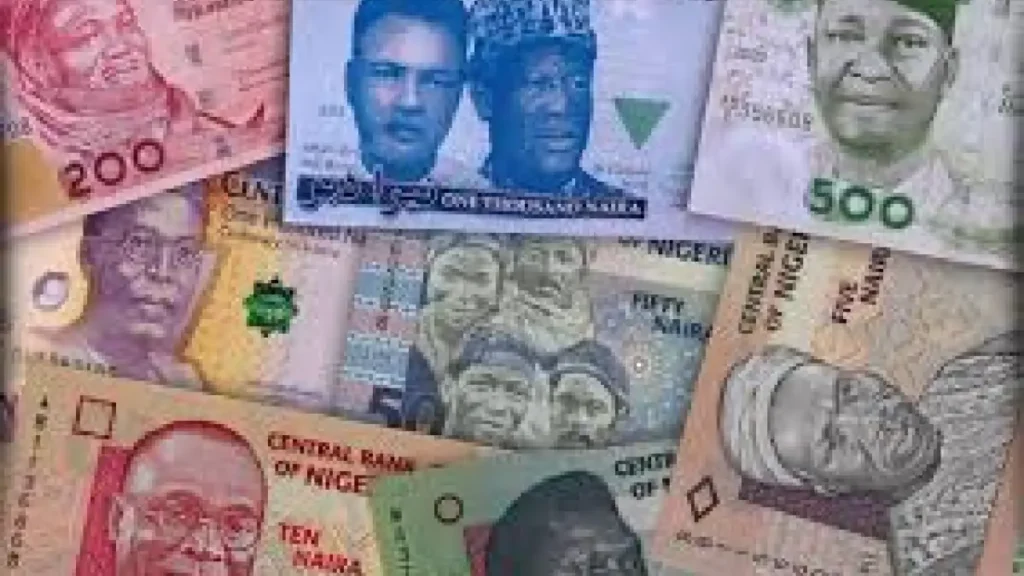
CBN clean note policy
1.5 Significantly, the CBN has also introduced a clean note policy. Under this policy, the CBN ensures only clean and fit notes are in circulation. It also encourages proper handling of notes and also reduces to the barest minimum incidence of mutilated and counterfeit notes. The bank under the policy are mandated to sort cash properly, withdraw mutilated notes and educate customers on the need for proper handling of our currency.
The CBN also put in place replacement guidelines insisting that 60% of the note must be intact; notes must be genuine (not counterfeit or altered) and that replacements can be done at any of the commercial banks or CBN branches. The policy will not accept notes altered deliberately or fraudulently; counterfeit notes or not sprayed or stapled at events.
The policy also offers some handling or storage tips. Customers are encouraged to avoid writing, folding or stapling naira. People are encouraged to wallets or purses to store money and avoid exposing our currency to heat, water or fire including encouraging sensitization at parties. The public also has a role to play as custodians of the naira. They have responsibility to report mutilated or fake notes as well as encourage cashless alternatives to reduce wear. Under the policy, banks and other businesses may face penalties for re-circling mutilated notes with the danger of being blacklisted or fined.
Recently, the CBN has introduced further initiatives including currency redesign and swap (e.g 2022/2023 initiative); enhance monitoring of ATMs and banks sorting practices including sustaining clean note ambassadors campaign in markets and schools.
1.6 Many have queried the rationale for criminalizing the art of spraying at social events given the fact that spraying money at public events is a deeply rooted cultural tradition in Nigeria because across cultures and traditions, such is considered not only a gesture of goodwill and prosperity but also of reflecting appreciation to the celebrants. Therefore, many partake in the practice of spraying money. It is therefore necessary to examine this practice against the background of penal consequences stipulated in our statutory provisions.
1.0 Conceptual clarification:
2.1 What is naira abuse?
Naira abuse, as defined by the CBN, is any action that defaces or devalues the Nigerian currency. This includes:
• Spraying: The act of throwing Naira notes in the air during occasions.
• Writing: Scribbling or marking on the Naira notes.
• Stapling: Using staple pins to hold Naira notes together
• Tearing: Deliberately tearing Naira notes.
• Soiling: Dancing or stamping on Naira notes, or staining them with oil or ink. Selling:
• The unlawful sale of Naira notes, especially at events.
• Rejection: Refusing to accept Naira as legal tender in Nigeria.
2.2 What is naira mutilation?
This is a variant of naira abuse.
Naira mutilation, the physical degradation or deliberate defacement of Nigeria’s banknotes, has soared in recent years, triggering economic inefficiencies, eroding public trust, and operational bottlenecks across the banking system. This paper dissects the causes and consequences of naira mutilation, proposes preventive measures including public education, currency design innovation, legal enforcement, and digital alternatives.
Black’s Law Dictionary defines mutilation as the act of cutting, tearing, or otherwise damaging a document, especially a will or court record, to render it imperfect but not completely destroying it. It can also refer to the act of maiming or depriving a person of a limb or essential body part, particularly in the context of criminal law.
Any form of tampering with the physical integrity of the Naira notes or coins.
The Central Bank of Nigeria, CBN defines mutilated naira notes as currency that is badly damaged or defaced, to the extent that it is no longer fit for circulation. The CBN has specific policies and procedures for handling and replacing such notes to maintain the integrity of the nation’s currency system.
2.3 A naira note is considered mutilated if:
– It is torn, burnt, defaced, or badly soiled
– It is missing essential parts (e.g., part of the note is cut or missing)
– It has ink, oil stains, or chemical damage
– It has been washed or overly worn
– Security features are faded or missing
There are many causes of mutilation. These include: Poor handling by the public (folding, squeezing, writing on notes); Environmental exposure (water, fire, chemicals); Storage in damp or unsafe places; Deliberate abuse (writing, stapling, spraying at events).
4.0 Statutory regulations on naira abuse
It is important for members of the public to avoid naira abuse generally and naira mutilation in particular because there are consequences for breaches as specified by law.
4.1 The starting point is to examine statutory regulations on naira mutilation or abuse of naira generally.
4.2 Section 21 of the Central Bank of Nigeria (Establishment) Act Cap C4, Laws of the Federation of Nigeria 2004 provides:
(1) “A person who tampers with a coin or note issued by the Bank is guilty of an offence and shall on conviction be liable to imprisonment for a term not less than six months or to a fine not less than N50,000 or to both such fine and imprisonment.
(2) A coin or note shall be deemed to have been tampered with if the coin or note has been impaired, diminished or lightened otherwise than by fair wear and tear or has been defaced by stumping, engraving, mutilating, piercing, stapling, writing, tearing, soiling, squeezing or any other form of deliberate and willful abuse whether the coin or note has or has not been thereby diminished or lightened.
(3) For the avoidance of doubt, spraying of, dancing or matching on the naira or any note issued by the Bank during social occasions or otherwise howsoever shall constitute an abuse and defacing of the naira or such note and shall be punishable, under subsection (1) of this section.
(4) It shall also be an offence punishable under subsection (1) of this section for any person to hawk, sell or otherwise trade in the naira notes, coins or any other note issued by the Bank.
(5) In this section-
(i) “Matching” includes spreading, scattering or littering of any surface with any naira notes or coins and stepping thereon, regardless of the value, volume, occasion or intent.
(ii) “Spraying” includes adorning, decorating or spraying anything or any person or any part of any person or the person of another with naira notes or coins or sprinkling or sticking of the naira notes or coins in a similar manner regardless of the amount, occasion or the intent.”
5.0 Currency Abuse in Other Jurisdictions
1. United States
• Legal Tender Laws: Under 18 U.S. Code § 333, it is a federal crime to:
• Mutilate, cut, deface, disfigure, or perforate U.S. currency with
intent to render it unfit.
• Punishment: Fines or imprisonment up to 6 months.
2. United Kingdom
• Currency Notes Act 1958 (modified under the Forgery and
Counterfeiting Act 1981).
• Defacing notes (e.g., writing, stamping) is prohibited without the
permission of the Bank of England.
• Enforced more stringently in cases of counterfeiting or deceptive
alteration.
3. India
• Reserve Bank of India (Note Refund) Rules:
• Mutilated notes may be exchanged at banks under specific conditions.
• Deliberate mutilation (e.g., political slogans or messages on notes) is discouraged and subject to refusal by banks.
• Penal Code & RBI Act: Allow for prosecution in deliberate or malicious cases.
4. Singapore
• Monetary Authority of Singapore Act:
• Prohibits willful defacement or destruction.
• Fines up to SGD 2,000 for offences like tearing or scribbling on notes.
5. South Africa
• Under the South African Reserve Bank Act:
• Mutilation, defacement, or destruction of currency is illegal.
• It is also illegal to reproduce images of currency without permission.
6.0 Challenges of enforcing naira mutilation laws in Nigeria
1. Sophisticated Tech-Based Counterfeiting
• Counterfeiters now use high-quality printers and digital tools to mimic naira notes.
• Many law enforcement units lack the forensic equipment or technical skills to detect modern forgeries.
• This makes prosecution harder and increases the circulation o fake or mutilated notes.
2. Cultural Resistance (e.g., Spraying at Events)
• Spraying money at parties is a deeply rooted cultural practice in Nigeria.
• Criminalising it is viewed by many as a clash with tradition rather than a legal offence.
• This weakens public support for enforcement and leads to selective or symbolic arrests.
3. Poor Inter-Agency Coordination
• Agencies like the CBN, Police, and EFCC often operate in silos.
• Lack of shared intelligence, joint task forces, and clear jurisdictional protocols hamper efficient enforcement.
• Overlapping roles can lead to turf battles or delayed prosecutions.
4. Judicial Delays and Inconsistent Sentencing
• Trials often drag on for years due to court backlogs and procedural issues.
• Sentencing for similar offences can vary widely between courts.
• This inconsistency undermines deterrence and public confidence in the justice system.
Recommendations for Nigeria
1. Strengthen Enforcement at points of abuse like events, clubs, and markets.
2. Promote Digital Gifts to replace cash spraying at ceremonies.
3. Expand Education in schools and public institutions.
4. Train Law Enforcement to handle naira abuse with due process and fairness.
5. Improve Note Quality to reduce premature mutilation due to wear and tear.
Conclusion:
The foregoing underscores the point that mutilation weakens economic confidence and that CBN has a zero tolerance against the practice.
This explains why there are CBN guidelines on mutilated notes, fraudulently altered notes, non-spendable notes, including sustained public sensitization against currency abuse and mutilation.
Significantly, there’s also strong legal backing under the CBN Act 2007 against spraying, writing on, mutilating, or stapling naira notes all of which are punishable under the law. Offenders may face sanctions which include: fines or imprisonment. Additionally, institutions found re-cycling mutilated notes can be penalized or blacklisted. CBN is actively engaged in monitoring compliance by withdrawing unfit notes via deposit money banks and replacing them with new ones; ensuring the quality of bank notes in circulation through clean note policy and enforcing compliance against naira abuse and mutilation by entrenching specific provisions under the CBN Act 2007.
It is important to stress that mutilated notes endangers our economy by weakening trust in the currency with multiplier negative effect on our daily transactions.
The obligations to forestall abuse of notes should not be left as the responsibility of the CBN alone but ought to be a collective responsibility. The Economic and Financial Crimes Commission has the responsibility under its enabling act (EFCC Act 2004) to enforce all enactments against economic and financial crimes including the CBN Act 2007.
The way out
It is important to ensure compliance by ensuring that we avoid spraying at parties or engaging in any unwholesome practices against the naira. We can appreciate celebrants by depositing our funds into carefully designed bags or ensuring the use of neatly packed envelopes to be presented as gifts during social occasions. We could also transfer directly into designated accounts of celebrants. This way, we can avoid the danger of being arrested or going to jail through either naira abuse or naira mutilation.
I thank you for listening.
